
We have gathered here tips and practical advice from our experience as trail riders to help you prepare for your horseback ride.
Please feel free to share your own tips so that all riders can benefit from them!
Physical and equestrian preparation
Even if you ride regularly, a multi-day horseback ride marks a break from your daily routine (which is the whole point!). You will be in the saddle for an average of 4 to 6 hours a day for 6 to 10 days in a row.
Whether camping or staying in simple accommodation, you won’t be able to rest as well as you would in your own bed, and if you’ve chosen a ride in a season when it’s not very warm, the fatigue caused by the weather will add to the fatigue of riding and lack of sleep.
This requires good physical fitness, good riding skills and stamina.
We therefore advise you to intensify your physical activity one or two months before departure so that you are in good shape when you set off.
Similarly, if you do not ride very regularly, we recommend that you ride at least once or twice a week, especially outdoors and for at least 2 hours at a time.
If you have never been on a week-long ride before, it may be useful to ‘test’ yourself over a weekend to see how you cope with long hours in the saddle.
Money – Currency exchange
Some of your purchases can be paid for by international credit card. You can also withdraw cash from many ATMs. However, don’t forget that each transaction will incur a fee charged by your bank, often with a minimum amount. So when withdrawing money from an ATM, it is better to make one large withdrawal than three small ones.
In France, all ATMs and most retailers accept Visa and Mastercard, but American Express is less commonly accepted.
France is generally a safe country, but as everywhere else, caution is advised. To carry your money, you can use a belt with closed pockets. It may not be the most stylish option, but it is effective.
Finally, never take out your money ostentatiously. Keep your large notes separate from your small change.
Safety
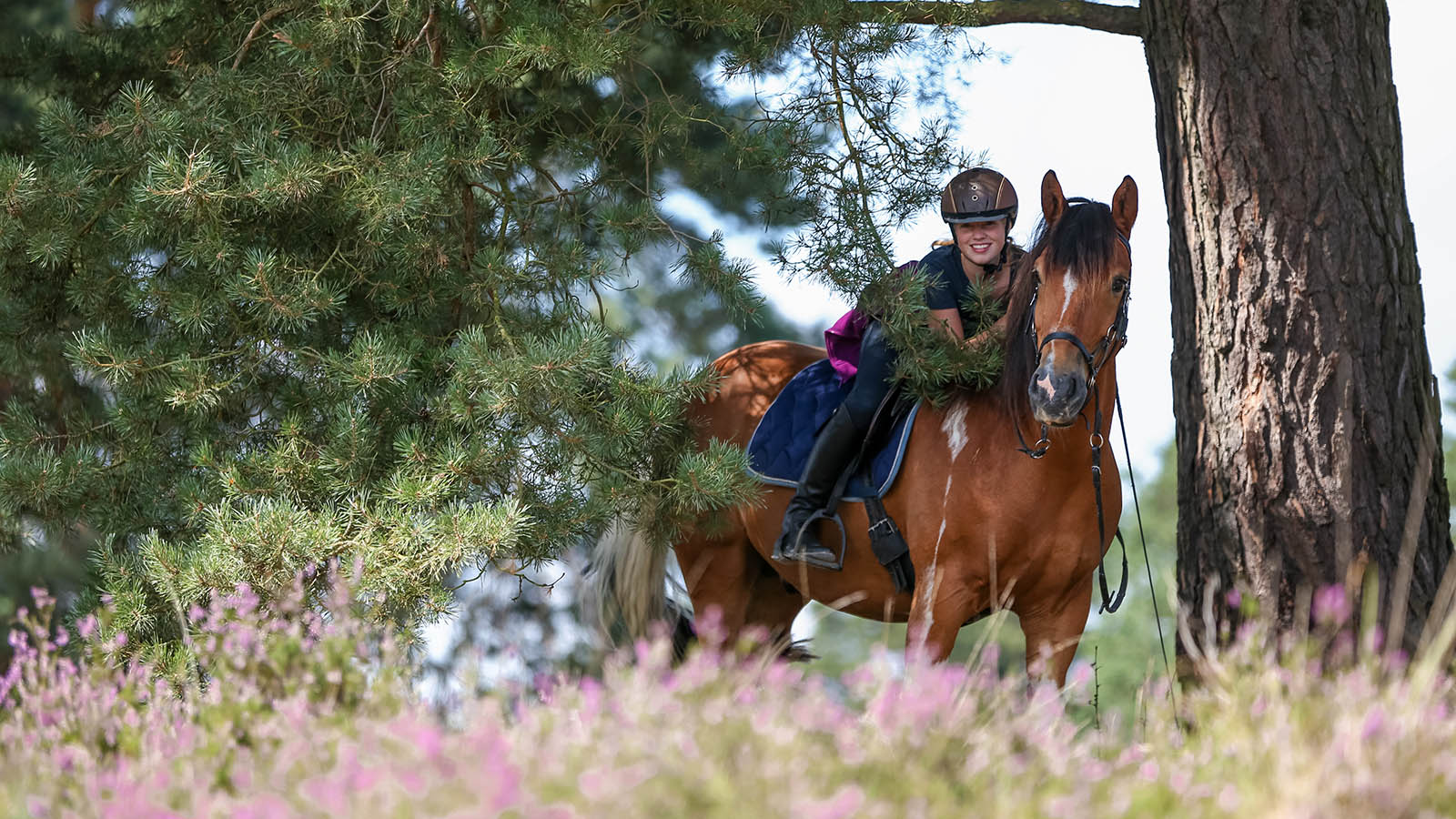
We remind you that, for safety reasons, we recommend wearing a helmet when riding.
Jet lag
- When travelling west (from Asia to France, for example), you will be tired in the late afternoon and wide awake early in the morning. On the first day, you should arrive in the afternoon, which will make the day seem longer than usual. Do not go to bed until the evening; try to stay active and go out so that your body can adjust to the new daylight hours.
- When travelling east (from America to France, for example), you will probably arrive in the morning after a night on the plane. This will be a tiring day, but try not to sleep until evening so that you can adjust to the new time as quickly as possible, again by getting out into natural light as much as possible. It may be wise to plan a quieter first day to recover from the journey, without taking a nap. If you think you won’t be able to resist, take a 2-hour nap when you arrive, and then get up!